
Katya Vaz – La goutte qui déborde du vase
-
5th Floor Scholar Series
-
Exhibition
-
Festival
Residency Showcase
La goutte qui déborde du vase, or The drop that overflows the vase, takes its name from the French idiom, La goutte d’eau qui fait déborder le vase, which is equivalent to the English, The straw that broke the camel’s back. This body of work investigates the role of a river in an urban setting, specifically, the Parisian Seine, exploring our relationship to the built environment. It questions our own notions of comfort and livability within a city, but also the unintended consequences of the very infrastructures that make urban life possible. By controlling the Seine’s natural functions, areas of Paris become vulnerable to flooding.
This body of work draws on pivotal texts and dialogues. Geographer Élisée Reclus’, Histoire d’un ruisseau, serves as a primary inspiration for this body of work, while Gaston Bachelard’s L’eau et les Rêves informs the introspective dimension, particularly how fleeting and changing encounters with bodies of water reveal insights about ourselves and our environmental relationships, especially in the face of industrialization. These literary influences are complemented by encounters with water rights organizations in France, as well as through exchanges with eco-anthropologist Léo Mariani of the Natural History Museum, which have been crucial in shaping the theoretical grounding of the works.
About the artworks
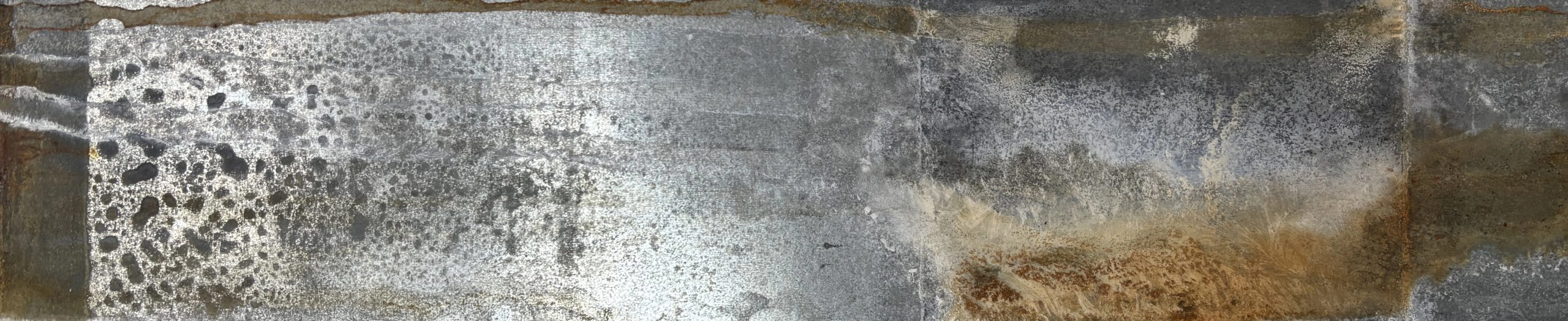
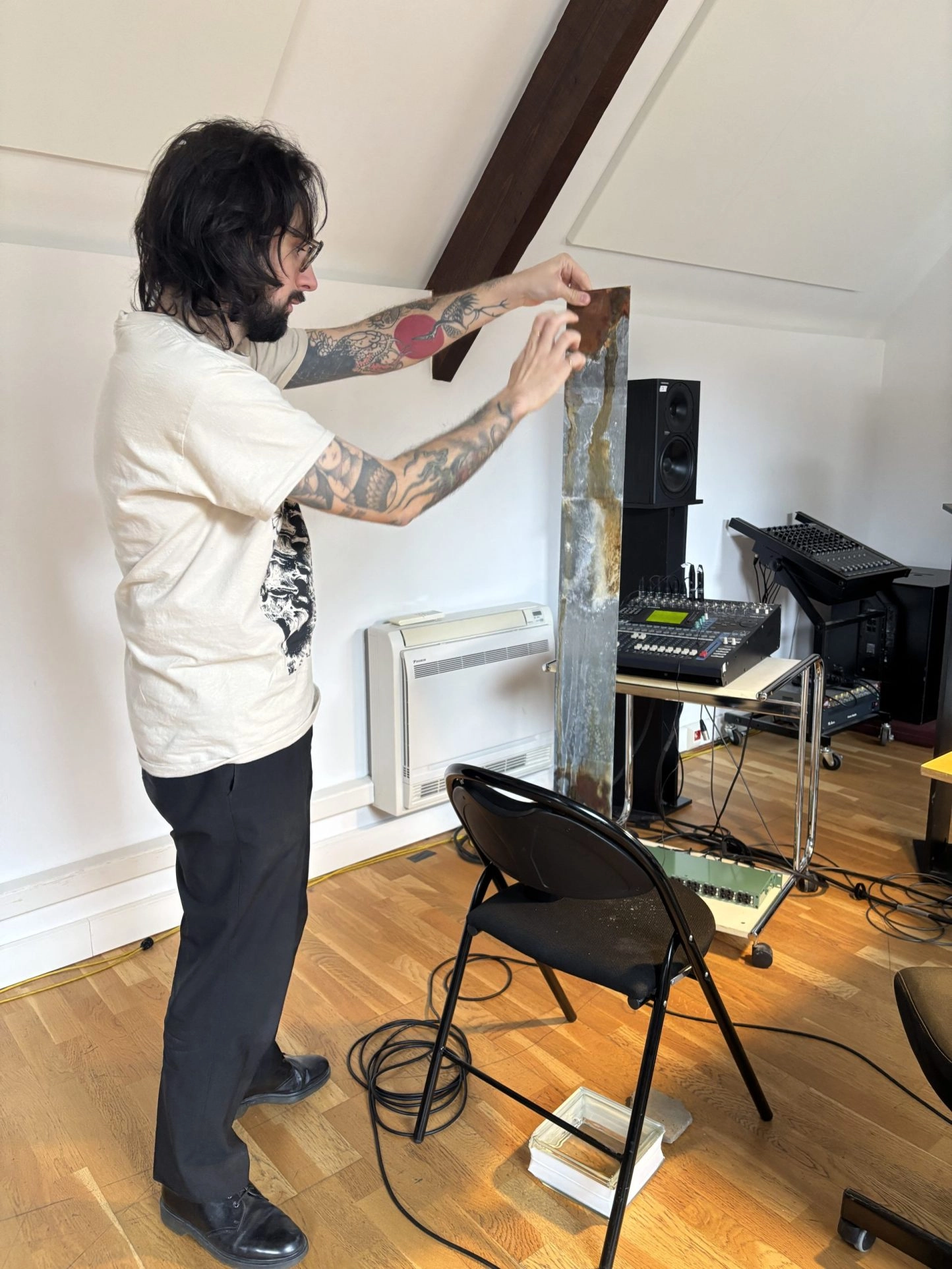
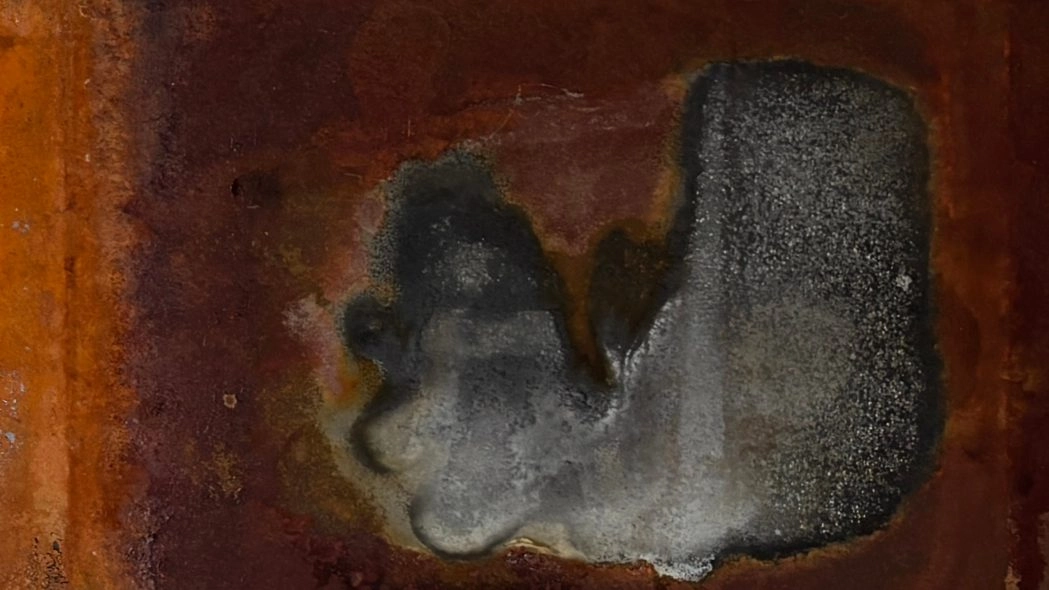
The primary materials used throughout the works are those emblematic of construction materials – sheet metal, glass, and concrete – punctuated by charcoal drawings, each chosen for its transformative qualities. Sheets of metal are rusted in an interpretation of data charts of the height of the Seine River over the past nine months; glass is engraved, allowing erosion itself to reveal the imagery; concrete captures the traces of time that pass; and charcoal embodies a transformation from raw natural substance to a drawing tool.
Light and sound further extend the work’s dialogue with perception and environment. Light is introduced as a dramaturgical device to evoke the subtle shifts that remain silently observed. Sound-reactive lights shine on the rusted sheet metal to the rhythm of the commissioned sound piece by Augustin Braud and Fabien Enger, mimicking the brilliance of the sun on a river’s surface, while the shadows cast by the glass engraving are joined by those of the viewer. As these shifting reflections and shadows unfold, the work invites viewers to reflect on the fragile balance between control and change that defines our relationship with the river. How much longer can we sustain the rigidity of a self-destructive infrastructure before we must embrace the inevitability of variation ?
Opening concert on April 29 at 7 p.m.
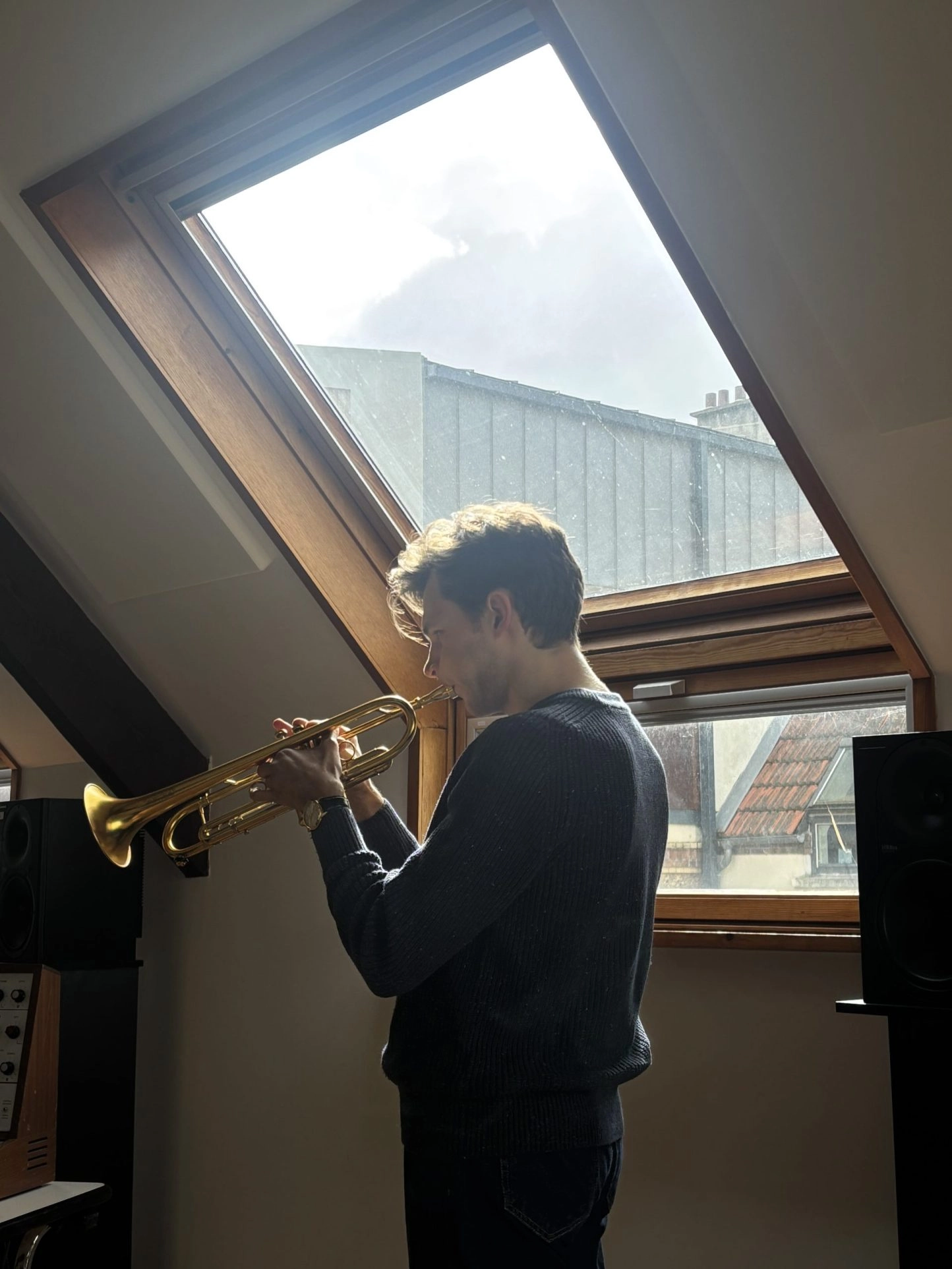
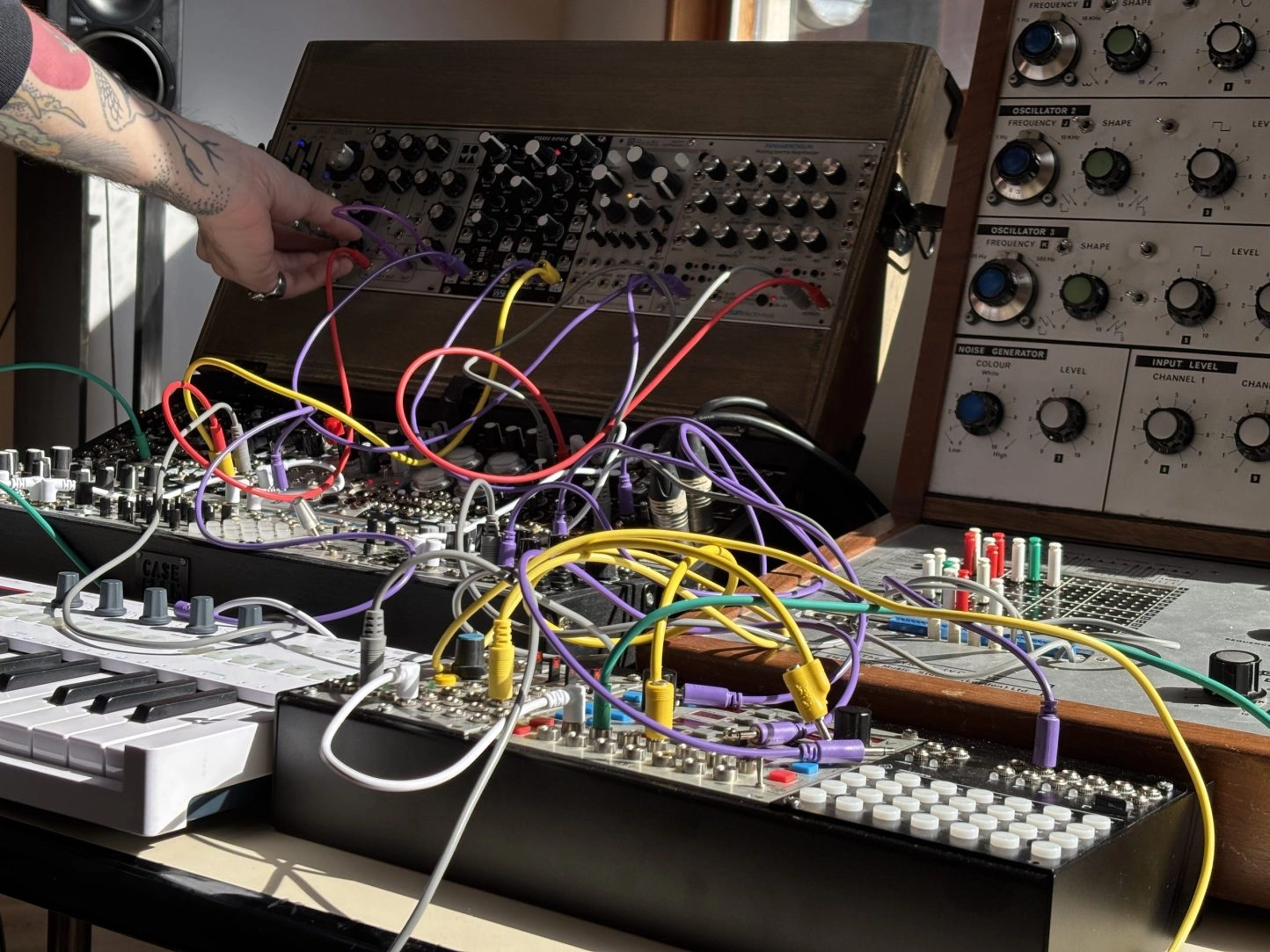
Establishing the atmosphere of the evening, pianist Ariela Bohrod gently submerges us into the lyricism of Debussy and Ravel. Trumpetist Fabien Enger and composer/musician Augustin Braud follow Bohrod in an improvised set, mixing acoustic jazz trumpet, sound samples of materials used in the exhibition, and modular synthesizers.
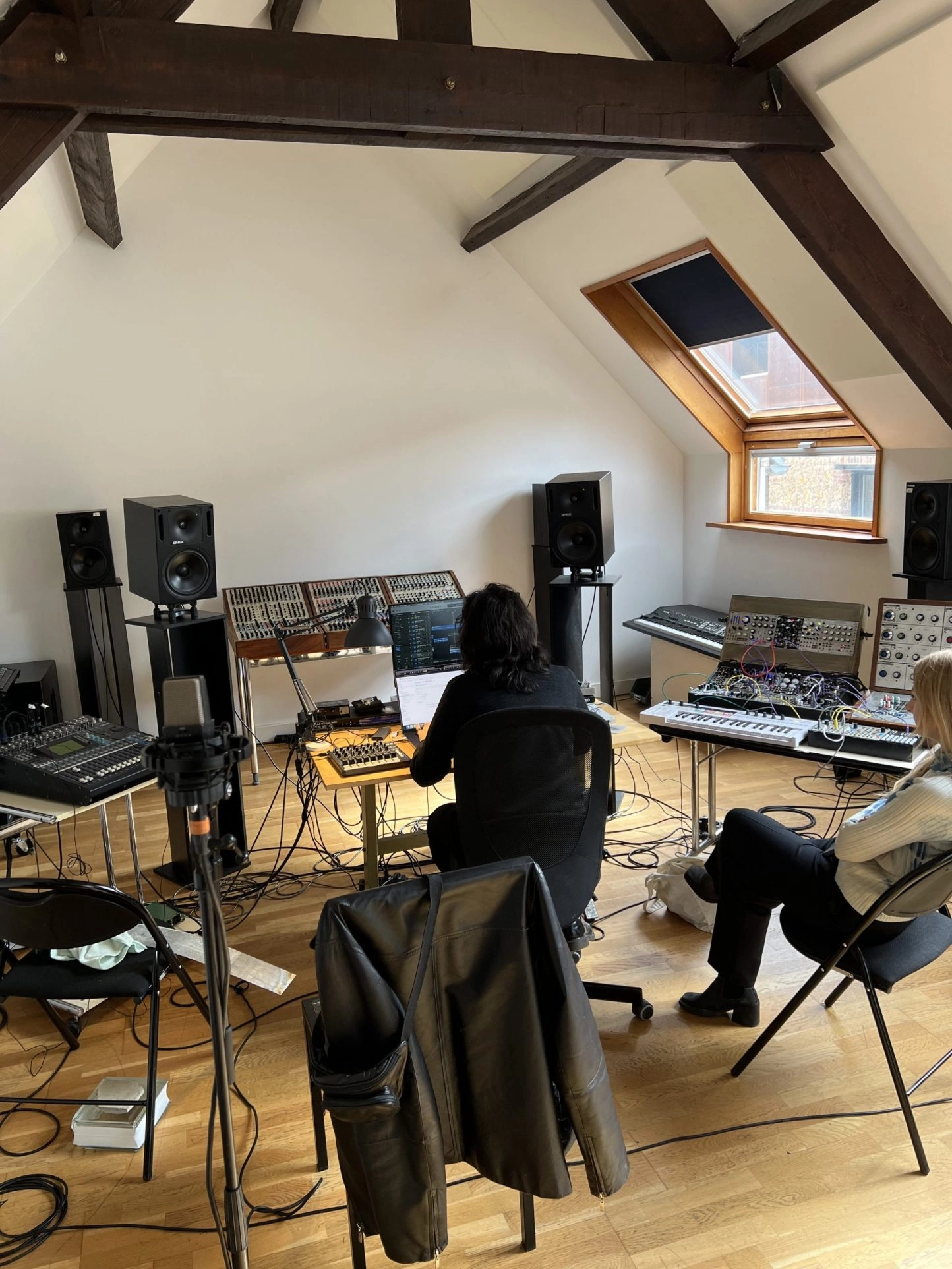
Their collaboration is the culmination of a residency at La Muse en Circuit, where they recorded a sound piece uniquely for La goutte qui déborde du vase. The recording created during the residency is presented exclusively within the exhibition, while their performance remains spontaneous and unreplicable. The progression of musicians, fluctuating from structured to variable, activates the central themes of the works being presented – the tension between the natural and built environments, as well as our own navigation of urban zones, all the while finding inspiration and direction in bodies of water.